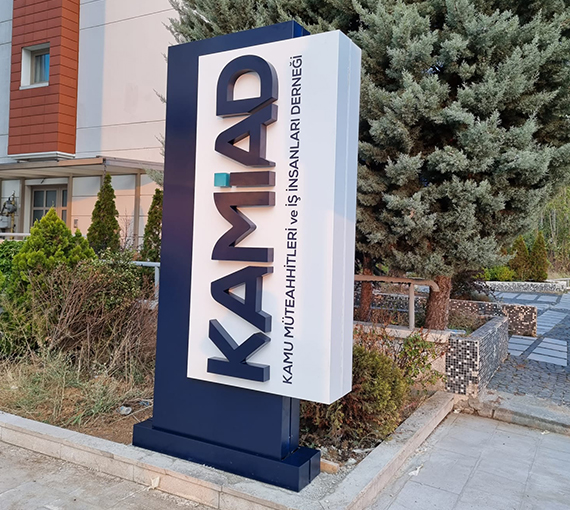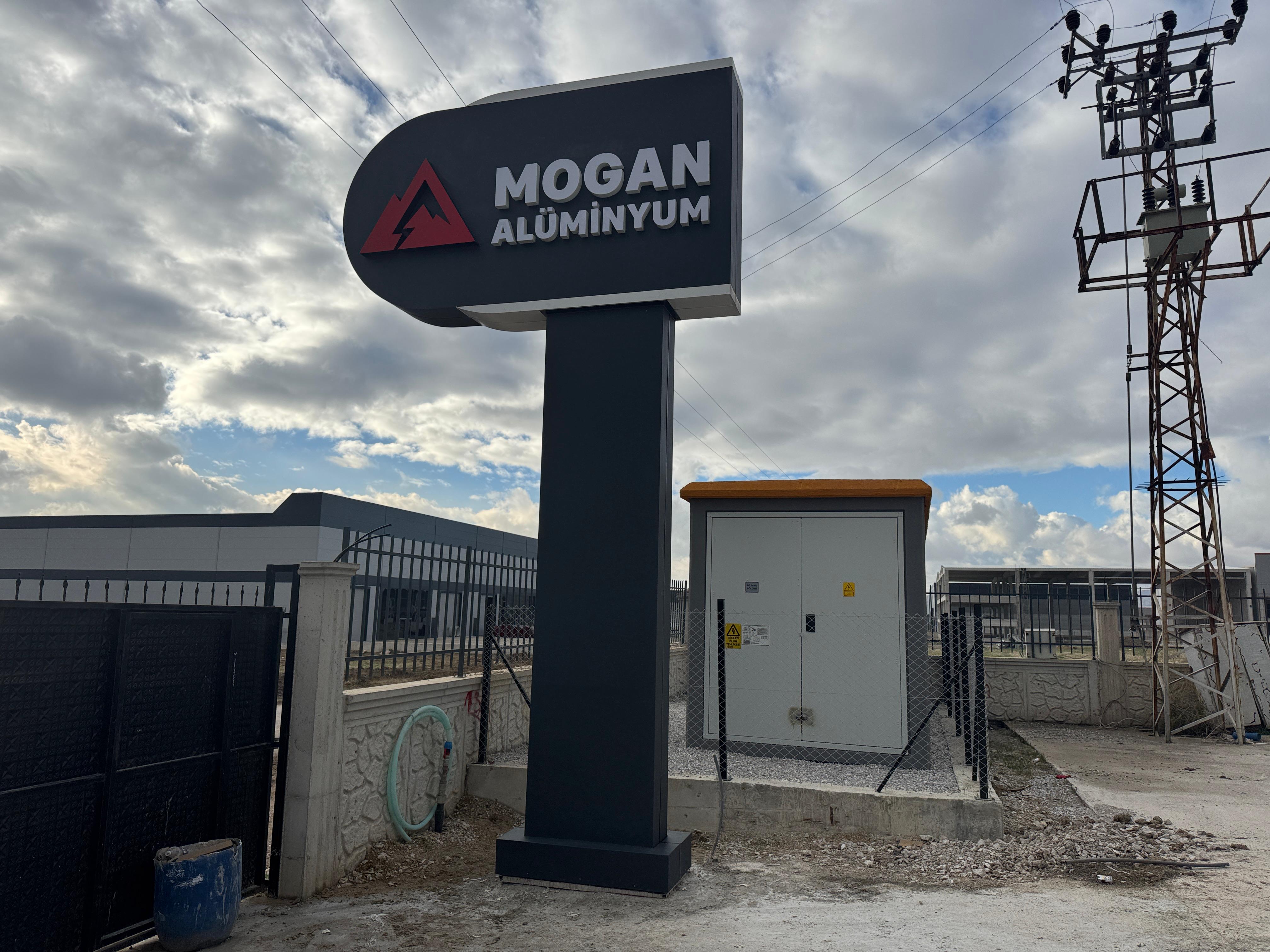
How should a totem sign's location, height, foundation, material and lighting be planned? A checklist for a long-lasting totem.
A totem sign is one of the most powerful advertising tools for making your business visible from the road and from afar. But a totem placed in the wrong spot, not designed for wind loads or poorly lit is both a waste of money and a safety risk. We recommend planning the following before ordering a totem.
1. The right location
A totem's job is to show your business to passing drivers in good time. So:
- Choose a spot that can be seen at least a few seconds ahead from the direction of traffic.
- Make sure trees, buildings, poles and other signs don't block the totem.
- If traffic comes from both directions, plan a double-sided totem.
2. Height and lettering size
A totem's height is determined by the distance it needs to be read from. A totem on a main road should be much larger than a wayfinding totem at a complex entrance. The logo and lettering are placed in the upper part of the totem, above eye level. Lettering size is based on viewing distance: the further away it needs to be read, the larger the letters should be.
3. Foundation and wind load
The most critical part of a totem sign is the part you can't see: its foundation. A concrete foundation is prepared according to the totem's size, and the body is fixed to it. Tall totems with large surfaces bear significant wind loads, so the foundation and body structure must be calculated accordingly.
4. Material
- Aluminium body: lightweight, rust-free and long-lasting; frequently used for illuminated totems.
- Steel structure: used as the supporting frame for large pylon signs, clad with aluminium composite or aluminium.
- Pole-mounted cassette: an economical solution for roadsides.
5. Lighting
A totem should work at night too. LED lighting suitable for indoor and outdoor use lights the sign face evenly and uses little energy. With a timer, you can have the totem light up only in the evening.
6. Permits
Totem signs usually require a municipal permit; for roadside totems, highway authority or municipal rules may also apply. You need to check the permit situation before finalising the location.
Checklist
- Have the location and sightlines been checked?
- Have the height and lettering size been set according to viewing distance?
- Has the foundation size been planned according to the totem's size?
- Has it been decided whether it will be single or double-sided?
- Can a power supply be brought to the totem's location?
- Has the municipal permit been looked into?